


About us
Our initiative and objectives
Our initiative
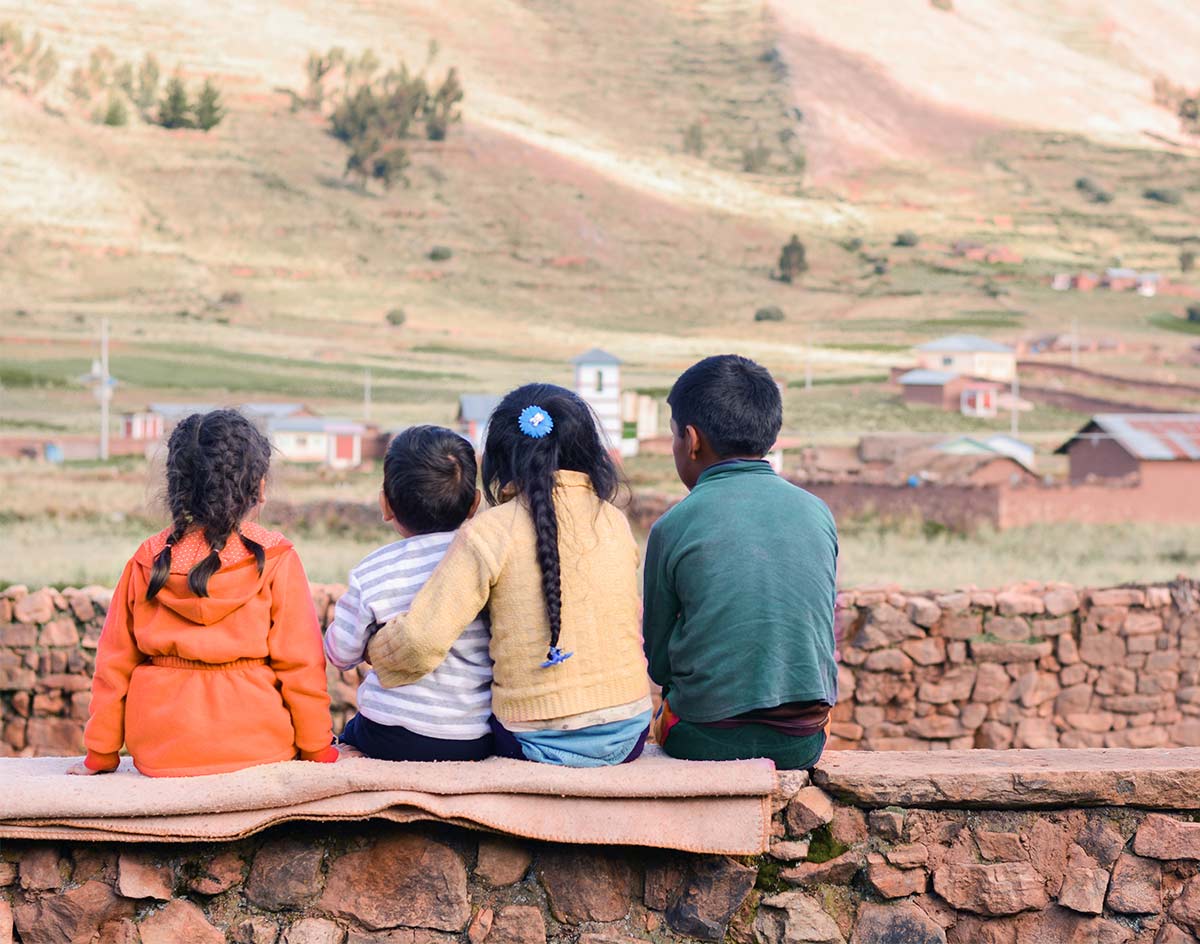
At ICSI we generate multidisciplinary innovation while promoting multi-level incidence among a diversity of social actors. Our mission is to contribute to territorial transformation through our work and social expertise.
Objectives

To articulate reflections and exchanges based on evidence
Much of the content on social management, sustainability, and territorial development remains in the field of the theoretical or the empirical, losing the necessary connection between them. At ICSI we promote reflections and exchanges between these areas and their disciplines systemically, identifying new research topics and developing tools that allow global problems to be articulated with territorial dynamics.

To consolidate local research networks
The creation and consolidation of articulated, inclusive and diverse networks between research and local initiatives is our second commitment. We believe that the need for bridges between the theoretical and the practical to promote sustained development in the territories.

To strengthen capacities with training cycles
We have been contributing to social development in the world for more than 10 years. Our journey has shown us that knowledge and learning come largely from sharing and disseminating challenges, lessons learned and good practices. This is why we develop and implement training cycles on innovative topics, associated with our network of learning territories.

To mobilize agents for social change
We take reflections and network-strengthening one step further. We generate and share social content of high value and impact, making it inclusive and accessible to forge and mobilize change agents and territorial dynamisers. We generate transformations through people.
Action lines
1
Leading transformations in inspiring territories
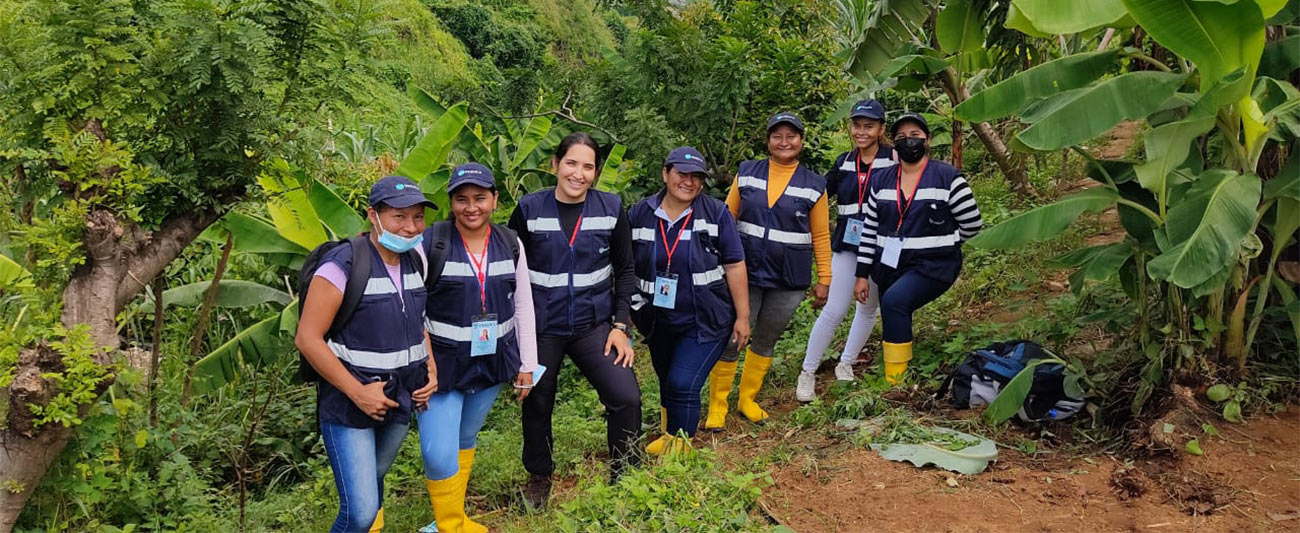
Our training and leadership methodology accompanies public and private organizations, seeking deep and disruptive transformations, leading them toward new approaches to sustainability and territorial development.z
2
Weaving networks, building change and learning
We facilitate events and participatory networks with different actors, prioritizing dissemination and collective learning around global dynamics that transform territorial realities.
3
Putting social impact at the center of our work
We research innovative topics of the highest social priority, such as the just energy transition, the social impacts of the race towards carbon neutrality, the social dimension of climate change adaptation and biodiversity conservation, and new ways of thinking about governance and territorial development, among others. We generate impactful content to share ideas, learning, and proposals in a different, accessible, and timely manner.
Alliances and articulations
Innovation and social research
We work together with Insuco’s Institute for Social Research in Africa (IFSRA), amplifying its reach towards Asia, Latin America, and the Caribbean. We have been working hand in hand since 2022 to promote South-South cooperation.
Additionally, at ICSI we build valuable alliances with universities and think tanks globally, keeping us at the forefront of innovation and the construction of knowledge.
Global agendas and local transformations
We promote the articulation between the priority themes of the Global agenda (climate change, energy transition, critical minerals, etc.) and the dynamics of territorial development.
Our Observatories of Territorial Transformations (OTT) are a great example as they promote data transparency, long-term territorial planning, and the generation of early warnings on relevant and urgent issues.

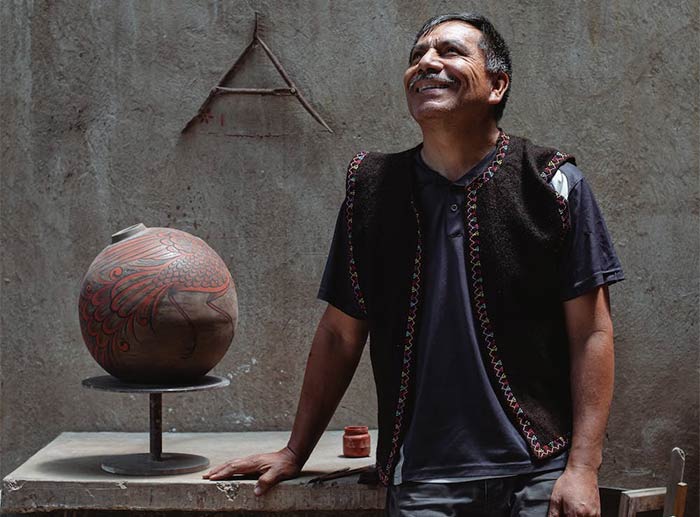
Entrepreneurial and territorial leadership
At ICSI we have a Learning Network on Sustainability and Territorial Development for the mining sector. This network, active since 2019, emerged from a Learning Tour carried out with the support of the Ford Foundation in the territory of “Los Encuentros” in Ecuador.
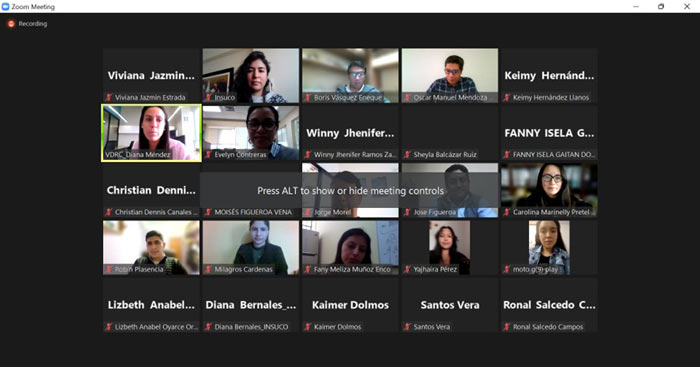
The network is assembled between business leaders, territorial promoters, experts from different unions, and areas of knowledge; who meet to reflect and share lessons learned about the application of approaches or methodologies in the territories where they are present.
The Board
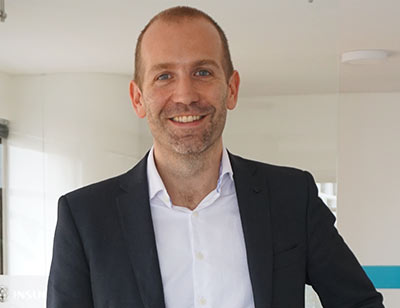
Guillén Calvo Valderrama
Member of the Board and Executive President of ICSI
General Director for Latin America and the Caribbean at Insuco, agroeconomist and geographer from the Sorbonne University in Paris.
Guillen has worked for international organizations (UNESCO, Bioversity International, World Bank) on cooperation projects and the management of intergovernmental platforms, linking scientific research and political decision-making.
Guillen is an expert in sustainability and the territorial approach to corporate social responsibility. Over the last 20 years, he has focused his work on Latin America and Africa, concentrating on defining innovative models of governance and collective action between private companies, communities, and the state in various projects in more than 20 countries.
He also teaches at several universities in Latin America and is a frequent speaker at international forums. He has published several articles on the topics of conflict transformation, multiactor dialogue, and territorial corporate responsibility.

Diana Méndez del Aguila
Member of the Board
Executive Director for Latin America and the Caribbean at Insuco. Economist from the Universidad del Pacífico (Peru) and MBA from the University of Manchester (UK). She has a specialization in Behavioral Economics. Diana is a fellow of the Forté Foundation, an international organization dedicated to promoting women’s participation in business.
She has 20 years of experience leading and promoting sustainable and territorial development initiatives in Latin America, with an emphasis on strategic sectors such as infrastructure, fisheries, transportation, mining, energy, and telecommunications for public, private, and community organizations and international agencies.
Throughout her career, Diana has promoted the integration of a sustainable development vision into business decision-making, the strengthening of local governance, active citizenship, and the implementation of a relationship model based on multi-stakeholder dialogue, trust building, and collective action. She has developed her career in strategic consulting and civil society organizations. She is a member and former Executive Director of L+1, a network of leaders in sustainable development in Peru.
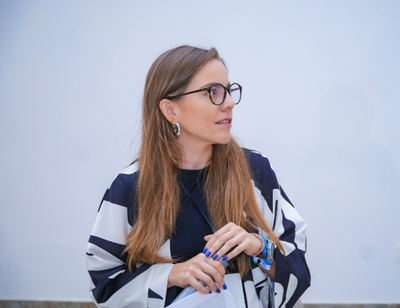
Arianna Espinosa Oliver
Member of the Board
Arianna is the Regional Director for Colombia, Mexico, and Central America at Insuco and has over 15 years of experience leading public and private portfolios in governance, civic participation, and environmental sustainability. Previously, she was a grant officer in the Andean Region and a global consultant on Just Energy Transition issues for the Ford Foundation, and she is a frequent academic lecturer.
In the Colombian Congress, she led the dialogue on land policies and the allocation of the national budget. She was Head of International Cooperation at the National Registry Office and Deputy Director of the Colombia 2050 Foundation. She worked for the Adaptation Fund on resettlement issues and for the National Fund for Disaster Risk Management. At iMMAP, she conducted research on collective victimization.
Arianna holds a master’s degree in social policy and development from the London School of Economics and Political Sciences (LSE). She received the Chevening Scholarship and the Loch Exhibition Prize for her thesis on climate change and citizenship. She has an undergraduate degree in government and international relations from the Externado University of Colombia and was awarded a scholarship to complete her studies at the Institute of Political Studies in Paris, France. She received the Geneva Challenge Award and is a fellow at the Institute for Canadian Citizenship.
Executive team
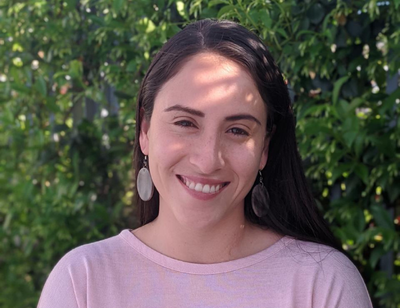
Jeanette Moreno
Director of Partnerships and Knowledge Management
Sociologist specializing in biocultural heritage management and social impact analysis in key sectors for sustainable development. With more than 12 years of experience, she has designed, implemented, and evaluated projects in Latin America and the Caribbean in strategic sectors such as energy, infrastructure, water and sanitation, tourism, family farming, and culture, always with a focus on territorial development.
She currently serves as Director of Strategic Alliances and Knowledge Management at the Insuco Center for Social Innovation (ICSI). In this role, she leads institutional coordination and knowledge generation to anticipate and accompany major global transitions from a territorial perspective.
Her career includes work in international organizations such as UNESCO and FAO, the public sector in the Ministries of Education and Culture of Peru, as well as the private sector through Insuco Dominican Republic. This multidimensional experience allows her to address the challenges of sustainable development by facilitating comprehensive and contextualized solutions. His academic background includes a bachelor’s degree in sociology from the Pontifical Catholic University of Peru (PUCP), a master’s degree in Agricultural Heritage Systems from the University of Florence, another in Cultural Heritage Management from the University of Barcelona, and a specialization in Social Impact Assessment from the University of Strathclyde Glasgow.
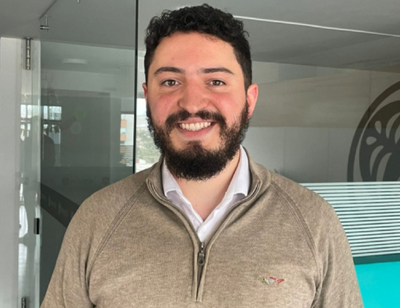
Julian Zapata
Project Coordinator
Historian with more than two years of experience in the social management and sustainability sector, with an emphasis on analysis and collection of primary and secondary information. He also has experience in archival research and has authored works on political history and thought, museology, urban history, and technological integration in historical pedagogy. In the field of social management, he has worked as an analyst at Insuco Colombia and, since 2025, at ICSI, where he has been part of the team implementing the Observatory of Territorial Transformations (OTT).
At the OTT, he participates in the design and development of qualitative and quantitative methodologies in the field and plays a supporting role in the production of evidence and systematization of information, with the aim of contributing to processes of territorial transformation and multi-stakeholder dialogue for decision-making.
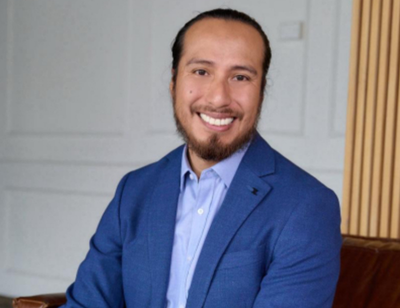
Daniel Hernando
Project Director
Daniel holds a bachelor’s degree in Sociology from the Pontifical Catholic University of Peru and a master’s degree in Sustainable Development Sciences from the Catholic University of Leuven (KU Leuven). He has experience in applied research on socio-environmental dynamics in contexts of illicit economies, with an emphasis on the Peruvian Amazon and border areas. His work has focused on analyzing the relationships between illicit economies, territorial governance, and biodiversity, using an interdisciplinary approach that combines geospatial analysis and qualitative methods.
Throughout his career, he has participated in studies and applied research projects on territorial development, mining, and illicit economies, including initiatives funded by international organizations and cooperation programs. He has published academic research and institutional reports on informal and illegal mining, illicit economies, and territorial governance in specialized journals and public policy analysis platforms, and has collaborated with academic teams and research organizations at the national and international levels.
At the OTT, he participates in the design and development of territorial analyses, evidence production, and information systematization to understand territorial transformation processes.

Carla Alvarado
Project Analyst
Communication for Development professional at the Pontifical Catholic University of Peru, with experience in designing and supporting the implementation of communication strategies aimed at social change. She has developed as a pre-professional fundraising intern at ICSI, providing support in information management and communication with strategic actors. She is currently researching female empowerment in Amazonian communities in Peru to obtain her bachelor’s degree in Communications.
Our work is carried out in coordination with the teams from the different Insuco Offices globally.
Institutional Documents
In this section, we share documents that provide more information about ICSI and the framework that guides our work, reflecting our commitment to transparency and responsible management.